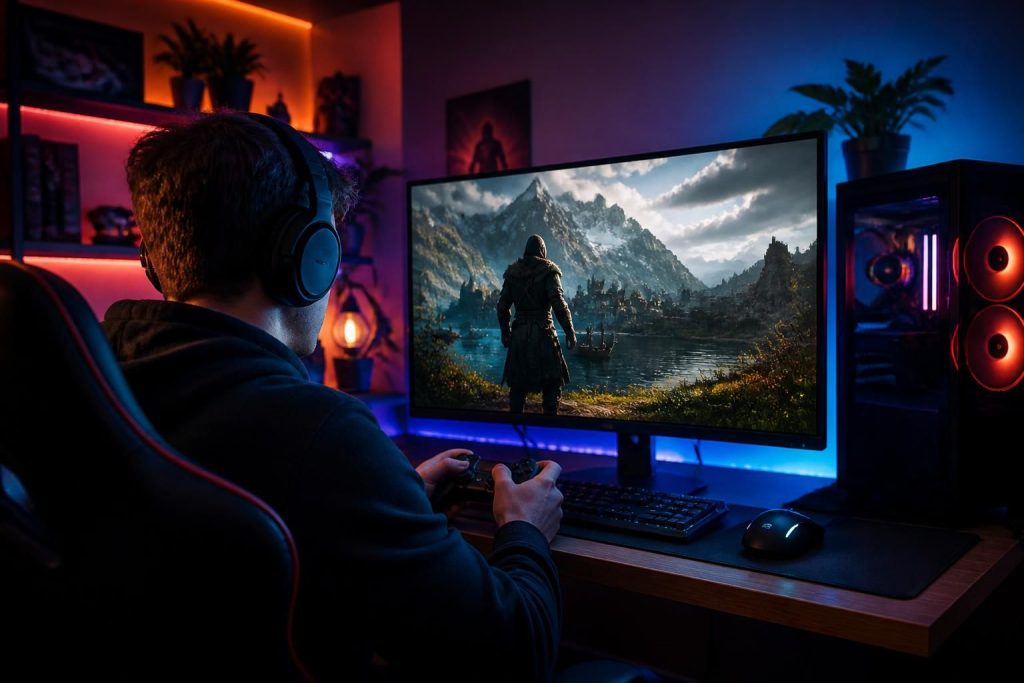
Game art and visual styles play a crucial role in shaping the player experience across various gaming platforms. From the vibrant colors of a cartoonish world to the gritty textures of a dystopian landscape, the visual representation not only captivates players but also influences gameplay mechanics and emotional engagement. This exploration delves into how different art styles affect gameplay dynamics, player immersion, and the overall gaming narrative.
Understanding the Role of Game Art in Player Engagement
The aesthetic choices in video games serve multiple purposes, from establishing a unique identity to enhancing narrative depth. Game art acts as a visual language, communicating the tone and atmosphere of the game. For example, a game like Celeste employs pixel art to evoke nostalgia while simultaneously conveying themes of struggle and perseverance through its color palette and character design.
Moreover, the art style can significantly impact player engagement. Games that employ a minimalist art style, such as Journey, immerse players by stripping away distractions, allowing them to focus on exploration and emotional storytelling. This deliberate artistic choice creates a contemplative experience, illustrating how game art can shape the very way players interact with game mechanics.
Different Visual Styles and Their Impact on Gameplay Mechanics
Game art and visual styles are not just about aesthetics; they also inform gameplay mechanics. The choice of a particular style can dictate how players perceive and interact with the game world. For instance, games with a realistic art style, like The Last of Us, foster a sense of urgency and gravity in gameplay. The lifelike graphics create an immersive atmosphere that enhances the emotional weight of player decisions and interactions.
Conversely, stylized games, such as Overwatch, use exaggerated character designs and vibrant colors to create a more accessible and fun approach to gameplay. The visual clarity of characters and environments aids players in quickly identifying threats and objectives, thereby facilitating faster-paced, competitive gameplay.
The Influence of Cultural and Artistic Movements on Game Visual Styles
Cultural and artistic movements have also left their mark on game art and visual styles. Titles inspired by impressionism, surrealism, or even manga contribute to the diversity of visual representation in gaming. For example, the game Okami draws heavily from traditional Japanese art styles, employing a watercolor aesthetic that not only beautifies the game but also reflects its cultural roots.
These influences extend to gameplay as well. When game art is rooted in a specific cultural context, it can enhance storytelling elements and player connection to the game. Players may find themselves more invested in a narrative that resonates with their own experiences or cultural background, showcasing how visual styles can enhance emotional engagement. For more on this topic, see สล็อตเว็บตรง.
The Evolution of Art Styles in Gaming
Over the decades, game art has undergone significant evolution, from the pixelated graphics of the 1980s to the photorealistic visuals of contemporary titles. This evolution is not just technological; it also reflects changing player expectations and industry standards. Early games prioritized functionality over aesthetics, but as the medium matured, so too did the understanding of visual design’s impact on the gaming experience.
Modern games increasingly leverage sophisticated art styles to create distinct identities. For instance, the rise of indie games has led to a resurgence of hand-drawn and retro styles that challenge the norms of mainstream gaming. Titles like Hollow Knight, with its striking 2D art, emphasize how independent developers can leverage visual styles to create memorable experiences without large budgets.
Case Studies of Successful Art Styles in Games
Exploring specific case studies can illuminate the powerful relationship between game art and gameplay. In Gris, a platformer that uses watercolor visuals, the art style is intricately tied to the game’s themes of loss and recovery. Each level is imbued with unique color palettes that evolve with the character’s emotional journey, effectively enhancing the gameplay experience.
Similarly, the use of a limited color palette in Limbo emphasizes the game’s eerie atmosphere, leading to a gameplay experience that is both haunting and engaging. The monochromatic style not only sets the mood but also directs player attention to key gameplay elements, such as obstacles and enemies. This demonstrates how thoughtfully designed visual styles can enhance the overall game mechanics.
In conclusion, game art and visual styles are foundational elements that shape the gaming experience on multiple levels. They engage players, influence gameplay mechanics, and reflect cultural narratives, contributing to the complexity and richness of modern video games. As the industry continues to innovate, the importance of visual aesthetics will remain pivotal in driving player connection and immersion.